
Islamic clothing for men is more than just a dress code—it represents modesty, identity, cultural heritage, and spiritual values. Across the Muslim world, men wear a variety of traditional and modern garments that fulfill Islamic principles while also offering style, comfort, and practicality. From the classic thobe to the timeless shalwar kameez, Islamic fashion has evolved with contemporary trends, blending tradition with modern aesthetics.
In this detailed guide, we explore the meaning, types, fabrics, and styling tips for Islamic clothing for men, helping Muslim men choose outfits that align with both religious values and personal style.
Popular Types of Islamic Clothing for Men
1. Thobe / Dishdasha / Kandura
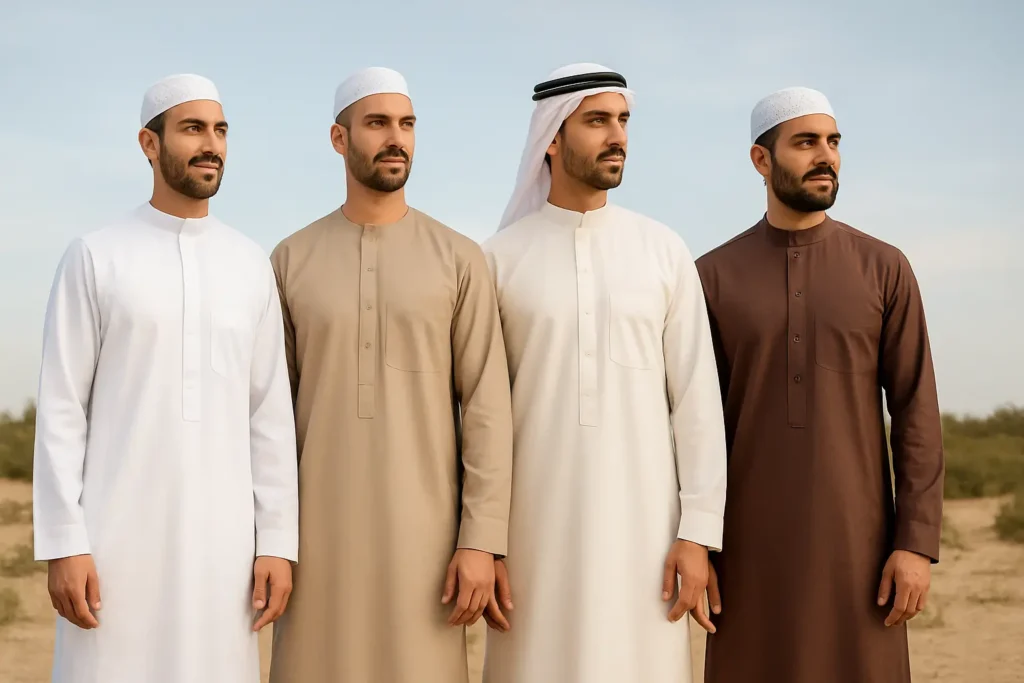
The thobe is a long, ankle-length robe worn mostly in the Middle East. It is known as thobe in Saudi Arabia, dishdasha in Kuwait, and kandura in the UAE.
Key features:
- Usually white or light-colored
- Loose-fitting and extremely comfortable
- Ideal for hot climates
- Perfect for salah, Eid, and daily wear
Today, many designers create modern thobes with embroidery, cuffs, and tailored cuts.
2. Shalwar Kameez
One of the most popular Islamic outfits for men in South Asia (Pakistan, India, Bangladesh, Afghanistan). It consists of:
- Kameez: Long shirt
- Shalwar: Loose trousers
Why men love it:
- Comfortable and modest
- Available in cotton, linen, or blended fabrics
- Suitable for casual wear, Jummah, weddings, and gatherings
This is also a Sunnah-inspired clothing style, making it spiritually meaningful.
3. Jubba / Jubbah
Jubba is a long outer garment often worn during prayers, religious events, or winter. It is common among scholars, imams, and religious students.
Features:
- Robe-style design
- Sometimes decorated with buttons or embroidery
- Available in thicker fabrics
Perfect for a dignified, traditional Islamic appearance.
4. Kurta
Kurtas are similar to kameez but slightly shorter. They are widely worn by men in India, Pakistan, Turkey, and other Muslim regions.
Benefits:
- Stylish yet modest
- Works well with jeans, pajama pants, or churidar
- Available in modern cuts and elegant festive designs
A kurta is a versatile piece for both casual and special occasions like Eid or family gatherings.
5. Sirwal / Izar
This is a wide-legged trouser worn by many Muslims, especially in the Middle East. It matches perfectly with long tops or thobes.
Why it’s preferred:
- Very modest and loose
- Breathable fabric
- Allows easy movement during prayer
6. Islamic Caps (Kufi / Taqiyah)
Though not obligatory, the kufi cap is a symbolic part of Muslim men’s clothing.
Styles include:
- Embroidered kufi
- Crochet kufi
- Turkish-style hats
- Saudi, Emirati, and African kufis
They make prayer attire more complete and respectful.
7. Abaya for Men
Men’s abaya (sometimes called bisht) is a ceremonial cloak worn over thobes, especially during weddings, Friday prayers, and formal ceremonies.
Features:
- Made from premium fabrics
- Often black, brown, or golden
- Symbolizes honor and prestige
Best Fabrics for Islamic Clothing for Men
Islamic clothing focuses on comfort and decency. Here are the most preferred fabrics:
1. Cotton
Perfect for hot climates. Lightweight, breathable, ideal for salat and daily wear.
2. Linen
Stylish and cool. Often used for modern thobes and kurtas.
3. Polyester Blends
Durable and wrinkle-resistant. Great for travel and long events.
4. Wool
Used in winter jubbas, bishts, and long coats.
5. Rayon / Viscose
Soft, flowy, and comfortable—ideal for summer outfits.
Modern Trends in Islamic Men’s Fashion
As Islamic fashion grows globally, men’s clothing has become more stylish while maintaining modesty. Here are some modern trends:
1. Tailored Thobes
Slim-fit collars, cuffed sleeves, and minimal stitching create a modern yet modest look.
2. Designer Kurtas
Luxury brands now offer embroidered kurtas for weddings and Eid celebrations.
3. Casual Islamic Wear
T-shirts with Islamic calligraphy, jogger-style trousers, and modest streetwear are becoming popular among young Muslim men.
4. Layered Outfits
Men now pair kurtas with waistcoats, shawls, or jackets for a richer, sophisticated appearance.
5. Sustainable Fabrics
Eco-friendly cotton and organic linen are becoming a favorite choice among Muslim consumers.
How to Choose the Right Islamic Clothing for Yourself
Choosing the best Islamic outfit depends on lifestyle, climate, and personal preference. Here are some easy tips:
1. Consider the Climate
- For hot regions: choose cotton thobes, linen kurtas
- For cold weather: pick wool jubbas and layered clothing
2. Check the Fit
Islamic clothes should be loose and comfortable—not tight or body-hugging.
3. Prioritize Modesty
Avoid flashy designs, overly shiny materials, or styles that attract unnecessary attention.
4. Select Neutral Colors
White, black, cream, brown, grey, and navy are timeless options for Islamic wear.
5. Choose High-Quality Fabrics
Investing in good fabric ensures long-lasting comfort, especially for prayer times.
Occasions to Wear Islamic Clothing
Islamic clothing for men is suitable for many occasions:
1. Daily Wear
Thobes, kurtas, and shalwar kameez for everyday modest dressing.
2. Prayer & Mosque Visits
Loose, clean, and respectful attire such as a thobe or kurta with a kufi.
3. Friday Prayers (Jummah)
Many men prefer wearing fresh, elegant clothes like white thobes or embroidered kurtas.
4. Eid Festivals
A time for beautiful, decorative Islamic outfits.
5. Weddings & Celebrations
Bishts, sherwanis, formal kurtas, and designer jubbas are often chosen.
Islamic Clothing for Men in Different Cultures
Islamic attire varies globally based on tradition:
- Saudi Arabia: White thobes and ghutras
- Pakistan: Shalwar kameez
- Turkey: Modern kurtas and classic coats
- Africa: Long robes, embroidery, and colorful fabrics
- Malaysia & Indonesia: Baju Melayu
Each style reflects the beauty and diversity of the Muslim world while staying true to Islamic principles.