
When you slip into a jacket that feels smooth, a dress that flows effortlessly, or trousers that sit just right, you’re experiencing something most people never notice—cloth lining fabric. It’s the quiet detail inside clothing that shapes how a garment feels, fits, and lasts over time.
This article takes a closer look at cloth lining fabric from a real reader’s perspective—what it is, why it matters, and how it quietly transforms everyday clothing.
Why Lining Fabric Matters
Most people don’t notice lining until it’s missing—or poorly made. A good lining:
- Makes clothing easier to wear
- Prevents irritation from rough fabrics
- Improves durability
- Helps garments keep their shape
In simple terms, lining is what separates cheap clothing from well-crafted pieces.
The Role of Lining Fabric in Clothing
Comfort and Wearability
A smooth lining reduces friction between your body and the outer fabric. This is especially important for materials like wool or denim that can feel rough on the skin.
Protection and Durability
Lining acts as a shield, protecting the outer fabric from sweat, oils, and daily wear. This significantly extends the life of the garment.
Structure and Shape
Have you ever noticed how a blazer keeps its sharp shape? That’s largely due to lining. It supports the outer fabric and prevents sagging or wrinkling.
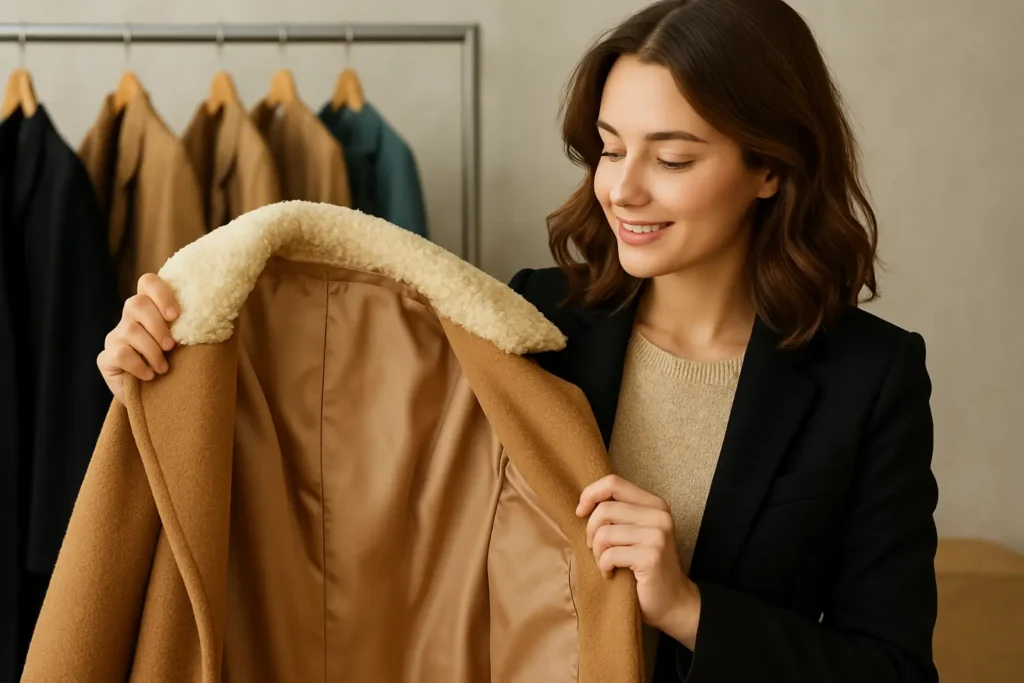
Types of Cloth Lining Fabric
Choosing the right lining depends on the garment, climate, and purpose. Let’s explore the main types.
Natural Lining Fabrics
Natural fibers are breathable and comfortable.
Common Options:
- Cotton
- Silk
- Wool
These fabrics allow air circulation and absorb moisture, making them ideal for warm weather clothing.
Synthetic Lining Fabrics
Synthetic linings are popular for their durability and affordability.
Common Options:
- Polyester
- Nylon
- Acetate
They are lightweight, resistant to wear, and often used in everyday clothing.
Semi-Synthetic Fabrics
These combine the best of both worlds.
Examples:
- Rayon
- Viscose
They offer a smooth feel similar to silk but at a lower cost.
Key Properties of Good Lining Fabric
Not all lining fabrics are equal. The best ones share certain characteristics.
Essential Features
- Breathability – Allows airflow and reduces sweating
- Softness – Feels comfortable against the skin
- Lightweight – Doesn’t add bulk
- Durability – Resists wear and friction
- Moisture Absorption – Keeps you dry
These properties help maintain a comfortable microclimate inside clothing.
Data Table: Comparison of Common Lining Fabrics
| Fabric Type | Breathability | Durability | Cost | Best Use |
|---|---|---|---|---|
| Cotton | High | Medium | Low | Summer clothing |
| Silk | High | Low | High | Luxury garments |
| Polyester | Low-Medium | High | Low | Everyday wear |
| Rayon/Viscose | Medium-High | Medium | Medium | Dresses, suits |
| Wool | High | Medium | Medium | Winter wear |
Common Uses of Cloth Lining Fabric
Cloth lining fabric is used across many industries—not just fashion.
In Clothing
- Jackets and coats
- Dresses and skirts
- Suits and trousers
Lining improves fit and prevents transparency in lighter fabrics.
In Accessories
- Handbags
- Hats
- Shoes
It adds durability and a polished finish.
In Home Textiles
- Curtains
- Upholstery
- Decorative items
Lining can improve insulation and light control.
Types of Lining Weaves and Their Performance
Different weaving techniques influence how lining behaves.
Satin Lining
- Smooth and glossy
- Ideal for formal wear
- Enhances elegance
Taffeta Lining
- Crisp texture
- Lightweight
- Common in jackets and coats
Example Data (Taffeta):
| Property | Value |
|---|---|
| Weight | 60–100 GSM |
| Thickness | 0.2–0.5 mm |
| Air Permeability | 1.5 cfm |
Twill Lining
- Durable
- Diagonal weave
- Used in bags and heavy garments
How to Choose the Right Lining Fabric
Choosing lining isn’t just about price—it’s about compatibility.
Match the Outer Fabric
A heavy coat needs a stronger lining, while a lightweight dress needs something breathable.
Consider Climate
- Hot weather → Cotton or rayon
- Cold weather → Wool or thicker synthetics
Think About Comfort
If it touches your skin directly, softness matters more than durability.
Advantages of Using Cloth Lining Fabric
Here’s why lining is essential:
- Enhances garment lifespan
- Improves comfort and fit
- Prevents wrinkles and deformation
- Adds a professional finish
Lining also reduces static and helps clothing move naturally with your body.
Disadvantages to Consider
While useful, lining has a few downsides:
- Adds cost to production
- Some synthetic fabrics trap heat
- Poor-quality lining can tear easily
The key is choosing the right material for the purpose.
People Also Ask (FAQs)
What is the purpose of lining fabric?
Lining fabric improves comfort, protects the outer layer, and enhances the structure and durability of garments.
Which fabric is best for lining?
It depends on use. Cotton and silk are great for comfort, while polyester is ideal for durability and affordability.
Is lining fabric necessary?
Not always, but it is essential for formal wear, jackets, and garments where structure and comfort are important.
Can any fabric be used as lining?
Technically yes, but it must be lightweight, smooth, and compatible with the outer fabric.
Why do expensive clothes have better lining?
High-quality lining improves comfort, durability, and appearance, making the garment feel more premium.
Interesting Facts About Cloth Lining Fabric
- Most luxury garments use silk or cupro lining for a premium feel
- Polyester lining dominates mass production due to low cost
- Proper lining can increase garment lifespan significantly
- Lining also helps regulate body temperature inside clothing
Final Thoughts
Cloth lining fabric might be hidden, but it plays a powerful role in how clothing feels and performs. It’s the difference between something that looks good on a hanger and something that feels right when worn.
The next time you buy clothing, take a moment to check the inside. That simple layer tells you a lot about the quality, comfort, and craftsmanship of what you’re wearing.
Authoritative References
Cloth Lining Material Overview