
When you run your fingers across an Oxford shirt, there’s something unmistakable about it. It feels slightly textured, a bit structured, yet comfortable enough for everyday wear. Oxford cloth fabric sits in that rare space where practicality meets style—reliable, durable, and quietly elegant.
This guide explores Oxford cloth fabric the way a real reader experiences it: not just what it is, but how it feels, why it matters, and where it fits into everyday life.
A Brief History of Oxford Fabric
Oxford cloth dates back to the 19th century in Scotland, where textile mills experimented with new weaving techniques. Interestingly, fabrics were named after prestigious universities like Yale, Cambridge, Harvard, and Oxford—but only Oxford fabric stood the test of time.
By the early 1900s, it became popular among polo players and later evolved into a symbol of smart-casual fashion.
Today, it remains one of the most recognizable and widely used fabrics in clothing.
How Oxford Fabric Feels in Real Life
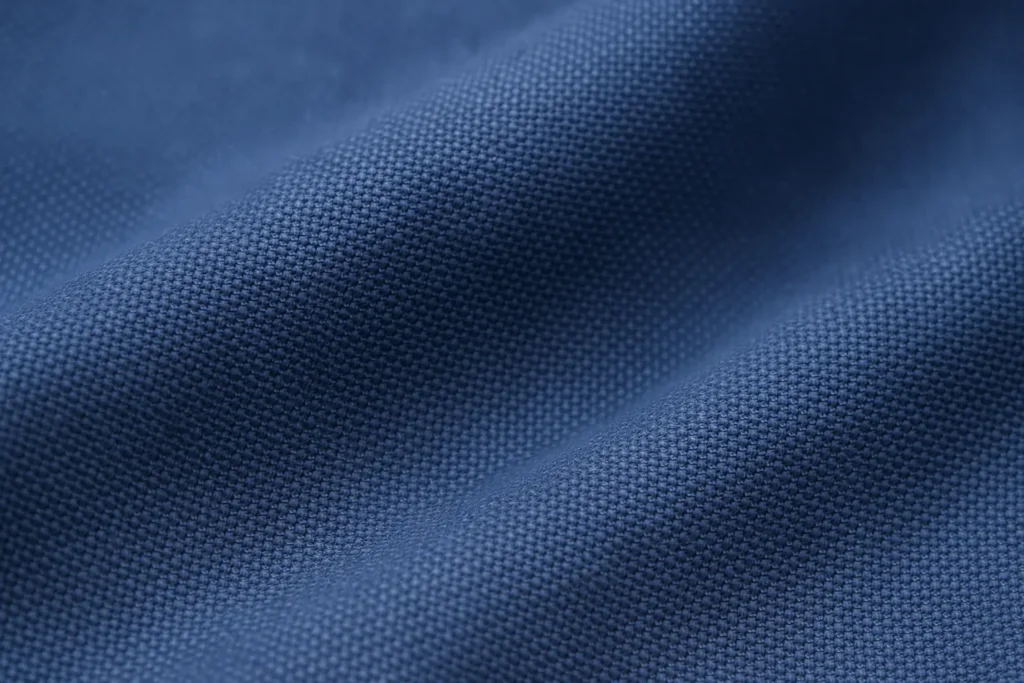
Oxford cloth isn’t silky smooth like formal dress fabrics, and that’s part of its charm.
- It has a slightly grainy texture
- Feels medium-weight and durable
- Offers a structured drape
- Becomes softer over time with wear
Many describe it as “ruggedly refined”—not delicate, but dependable.
It’s the kind of fabric you reach for when you want to look good without overthinking your outfit.
Types of Oxford Cloth Fabric
Oxford fabric isn’t just one style. It comes in several variations, each with its own feel and purpose.
1. Plain Oxford
The most common type, slightly thick with a visible texture. Perfect for casual shirts.
2. Pinpoint Oxford
Made with finer yarns and a tighter weave, giving it a smoother and more polished look.
3. Royal Oxford
The most refined version, with a subtle sheen and softer finish—ideal for formal settings.
4. Polyester or Nylon Oxford
Used for bags, jackets, and outdoor gear due to its durability and water resistance.
Key Characteristics of Oxford Cloth
Durability
Oxford fabric is known for its strength. The basket weave structure makes it resistant to wear and tear.
Breathability
Cotton Oxford allows airflow, making it comfortable for everyday use.
Texture
The slightly raised weave gives it a distinctive, tactile feel.
Versatility
It works across clothing, accessories, and even home décor.
Oxford Fabric vs Other Fabrics
| Feature | Oxford Cloth | Poplin | Twill |
|---|---|---|---|
| Texture | Textured | Smooth | Diagonal |
| Weight | Medium | Light | Medium-heavy |
| Formality | Casual–Smart | Formal | Semi-formal |
| Durability | High | Moderate | High |
| Breathability | Good | Excellent | Moderate |
Oxford sits right in the middle—more relaxed than poplin but less rugged than heavy twill.
Common Uses of Oxford Cloth
Clothing
- Button-down shirts
- Dresses and skirts
- Casual trousers
Accessories
- Bags and backpacks
- Shoes and luggage
Home Textiles
- Cushion covers
- Curtains
- Upholstery
Its adaptability is one of its strongest advantages.
Important Data & Fabric Specifications
Here’s a quick look at the technical side of Oxford fabric:
| Property | Typical Range |
|---|---|
| Weight (GSM) | 130–200 GSM |
| Weave Type | Basket weave |
| Breathability | Moderate |
| Tensile Strength | 380–420 N |
| Abrasion Resistance | 16,000–18,000 cycles |
| Shrinkage | 1–2% |
These numbers explain why Oxford fabric is often chosen for both fashion and functional use.
Advantages of Oxford Cloth Fabric
Long-lasting Performance
It holds up well after repeated washing and daily wear.
Easy Maintenance
Most Oxford garments are easy to wash and don’t require special care.
Style Flexibility
You can wear it casually or dress it up depending on the design.
Structured Look
It maintains shape better than many softer fabrics.
Limitations You Should Know
Oxford fabric isn’t perfect, and knowing its downsides helps set expectations.
- Can feel too heavy in hot climates
- May wrinkle, especially cotton versions
- Slightly less breathable than lighter fabrics
Still, for most everyday situations, these trade-offs are minor.
How to Care for Oxford Fabric
Taking care of Oxford cloth is simple:
- Wash in cold or warm water
- Avoid harsh bleach
- Iron on medium heat if needed
- Air dry or tumble dry on low
With proper care, it can last for years without losing its charm.
Why Oxford Fabric Remains Popular
Oxford cloth has stayed relevant for centuries because it adapts. It’s not flashy or trendy—it’s dependable.
It works for:
- Office wear
- Weekend outfits
- Travel clothing
- Everyday essentials
That versatility keeps it in constant demand.
People Also Ask (FAQs)
Is Oxford fabric good quality?
Yes, it’s considered high-quality due to its durability, comfort, and long lifespan.
Is Oxford cloth formal or casual?
It sits between both—perfect for smart-casual outfits.
Does Oxford fabric shrink?
Slight shrinkage (1–2%) can occur, especially in cotton versions.
Is Oxford fabric breathable?
Yes, particularly cotton Oxford, though it’s less airy than lightweight fabrics.
What is the difference between Oxford and poplin?
Oxford is thicker and textured, while poplin is smooth and more formal.
Final Thoughts
Oxford cloth fabric is one of those materials that quietly earns its place in your wardrobe. It doesn’t chase trends, but it never feels outdated. Whether it’s a crisp shirt for work or a durable bag for travel, Oxford fabric delivers reliability with a touch of understated style.
Once you start wearing it, you’ll notice something simple but important—it just works.
Authoritative References
Oxford Fabric Guide – Technical specifications and performance data
Wikipedia – Overview of Oxford cloth history and structure
Fabriclore – Types and applications of Oxford fabric
Soubacq – Properties and history insights