Living with sensitive skin can make getting dressed feel like navigating a minefield. That itchy sweater, the scratchy tag, or the mysterious rash that appears after wearing your favorite shirt—these are all too familiar scenarios for millions of people dealing with skin sensitivity. The good news? Choosing the right fabrics can transform your wardrobe from a source of discomfort to one of genuine comfort and confidence.
In this comprehensive guide, we’ll explore the best fabrics for sensitive skin, helping you make informed choices that keep your skin happy and healthy while looking stylish.
Understanding Sensitive Skin and Fabric Reactions
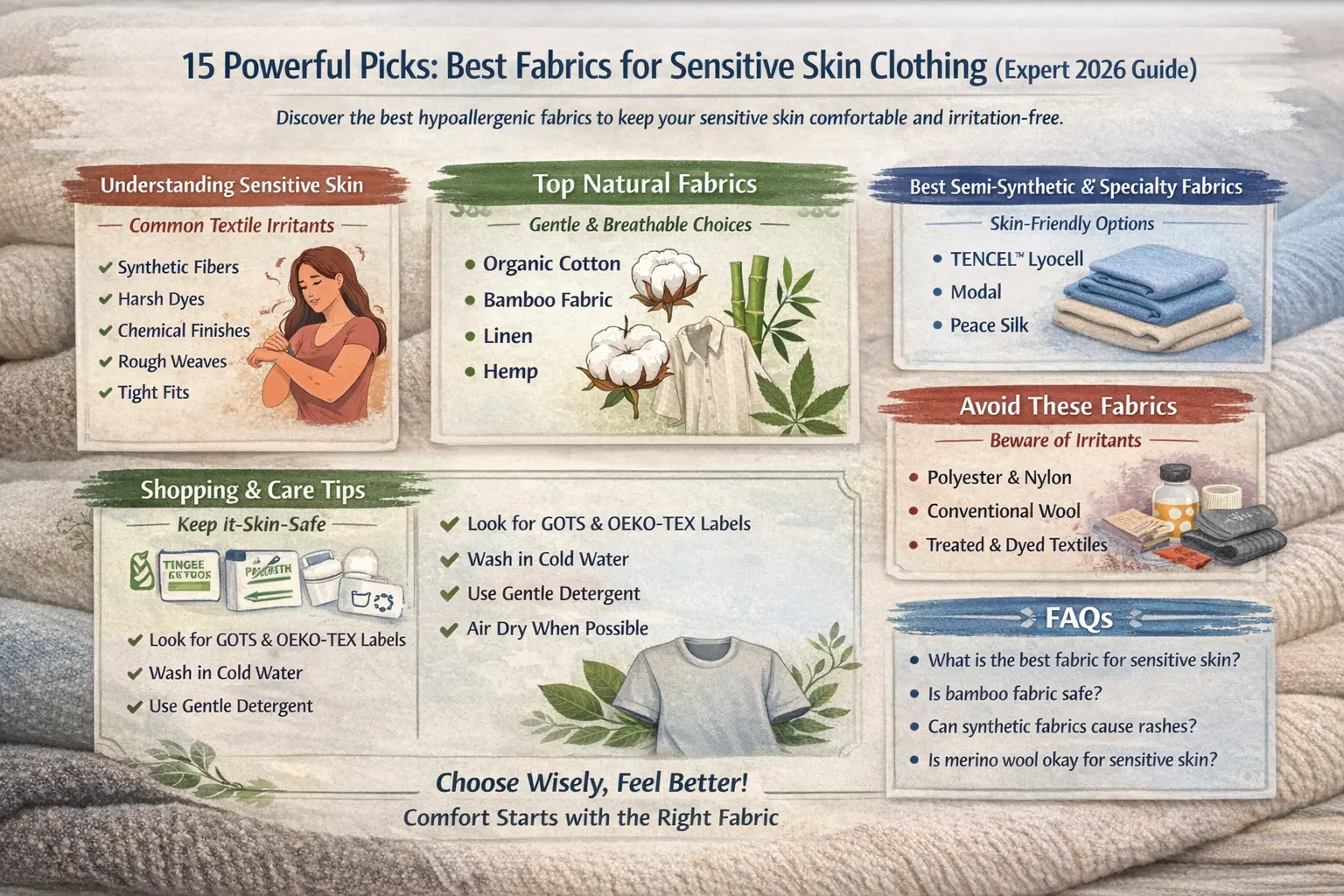
Sensitive skin reacts more intensely to external irritants than normal skin. When it comes to clothing, your skin might respond to rough textures, chemical treatments, synthetic fibers, or dyes with redness, itching, inflammation, or even rashes. Understanding which fabrics work with your skin rather than against it is essential for daily comfort.
The key factors that make a fabric suitable for sensitive skin include breathability, softness, moisture-wicking properties, and minimal chemical processing. Natural fibers generally outperform synthetics, though there are important exceptions worth noting.
Top Natural Fabrics for Sensitive Skin
Organic Cotton: The Gold Standard
Organic cotton stands as one of the most reliable choices for sensitive skin. Unlike conventional cotton, organic varieties are grown without pesticides, herbicides, or synthetic fertilizers, reducing your exposure to potential irritants. The fabric is naturally soft, breathable, and hypoallergenic.
What makes organic cotton particularly special is its ability to regulate temperature while allowing air circulation. This prevents the moisture buildup that can lead to bacterial growth and skin irritation. Whether you’re choosing underwear, t-shirts, or bed linens, organic cotton provides gentle comfort throughout the day.
Bamboo Fabric: Naturally Antibacterial
Bamboo fabric has gained popularity as a sensitive skin favorite, and for good reason. The fabric possesses natural antibacterial properties that help prevent odor and reduce the risk of skin infections. Bamboo is incredibly soft—often compared to silk or cashmere—making it ideal for people who find even regular cotton too rough.
Additionally, bamboo fabric is highly absorbent and wicks moisture away from the skin three to four times better than cotton. This moisture management is crucial for preventing the damp conditions where irritation thrives. From activewear to everyday clothing, bamboo offers luxurious comfort for reactive skin.
Silk: Luxurious and Hypoallergenic
Pure silk is a protein fiber that naturally resists dust mites, mold, and other allergens. Its smooth texture minimizes friction against the skin, making it an excellent choice for people with conditions like eczema or psoriasis. Silk’s temperature-regulating properties keep you cool in summer and warm in winter.
When shopping for silk, look for mulberry silk or peace silk varieties, and ensure you’re getting 100% pure silk rather than blends that might include irritating synthetic fibers. While silk requires more delicate care, its benefits for sensitive skin make it a worthwhile investment for key wardrobe pieces.
Linen: Cool and Breathable
Linen, made from flax plants, is one of the oldest textiles in human history—and it remains relevant for good reason. This fabric is exceptionally breathable and naturally moisture-wicking, making it perfect for hot weather or anyone who experiences skin sensitivity from overheating.
Linen does start out slightly crisp, but it softens beautifully with each wash while maintaining its durability. The fabric’s loose weave allows excellent air circulation, helping to prevent the sweat and heat buildup that can trigger skin reactions.
Suitable Synthetic and Blended Fabrics
Tencel (Lyocell): The Eco-Friendly Alternative
Tencel, also known as lyocell, represents a breakthrough in sensitive-skin-friendly synthetics. Made from sustainably sourced wood pulp through an environmentally responsible closed-loop process, Tencel is softer than cotton and gentler on skin than most synthetics.
The fabric’s smooth fiber surface is less irritating to sensitive skin, and its superior moisture management helps maintain optimal skin conditions. Tencel is also naturally resistant to bacterial growth, making it an excellent choice for activewear and intimate apparel.
Modal: Silky Smooth Comfort
Modal, derived from beech tree pulp, offers exceptional softness and breathability. This semi-synthetic fabric feels luxurious against the skin while maintaining durability through multiple washes. Modal resists shrinkage and fading better than cotton, making it a practical choice for everyday wear.
The fabric’s moisture-absorbing properties help keep skin dry and comfortable, reducing the risk of irritation from dampness. Many people with sensitive skin find modal an excellent middle ground between natural and synthetic fabrics.
Fabrics to Avoid When You Have Sensitive Skin
Not all fabrics are created equal, especially when dealing with reactive skin. Polyester, acrylic, and nylon can trap heat and moisture, creating an environment where bacteria thrive and skin becomes irritated. These synthetic materials often lack breathability and can cause excessive sweating.
Wool, despite being natural, can be too rough for many people with sensitive skin. The coarse fibers can cause immediate itching and discomfort. However, merino wool offers a softer alternative that some sensitive skin types can tolerate. Rayon, while plant-based in origin, often undergoes heavy chemical processing that can leave irritating residues.
How to Choose the Right Clothing for Sensitive Skin
Check Labels and Certifications
Look for certifications like GOTS (Global Organic Textile Standard), OEKO-TEX Standard 100, or bluesign when shopping. These certifications ensure fabrics meet strict standards for harmful substances and chemical processing. Reading labels carefully helps you avoid hidden irritants like formaldehyde or harsh dyes.
Prioritize Loose-Fitting Styles
Even the best fabric can cause problems if clothing fits too tightly. Tight garments create friction and prevent proper air circulation. Choose styles that allow your skin to breathe while avoiding areas where seams might rub constantly.
Wash Before Wearing
Always wash new clothes before wearing them to remove excess dyes, chemical finishes, and manufacturing residues. Use fragrance-free, hypoallergenic detergents and avoid fabric softeners, which can contain irritating ingredients.
People Also Ask
What is the softest fabric for sensitive skin?
Bamboo fabric and silk are generally considered the softest options for sensitive skin. Bamboo offers a cashmere-like texture while remaining affordable and easy to care for, while pure mulberry silk provides unmatched smoothness and hypoallergenic properties.
Can you develop fabric sensitivity suddenly?
Yes, fabric sensitivity can develop at any age due to changes in skin chemistry, hormonal fluctuations, stress, or the cumulative effect of chemical exposure. If you notice sudden reactions to previously comfortable clothing, consult a dermatologist to identify potential triggers.
Is 100% cotton always safe for sensitive skin?
While 100% cotton is generally safe, conventional cotton may contain pesticide residues or be treated with harsh chemicals during processing. Organic cotton or cotton with OEKO-TEX certification is a safer choice for truly sensitive skin.
How do I know if my clothing is causing skin irritation?
Signs include redness, itching, rashes, or hives that appear where clothing touches your skin. The irritation typically improves when you remove the garment and worsens with continued wear. Pay attention to patterns—if symptoms appear consistently with specific items, the fabric is likely the culprit.